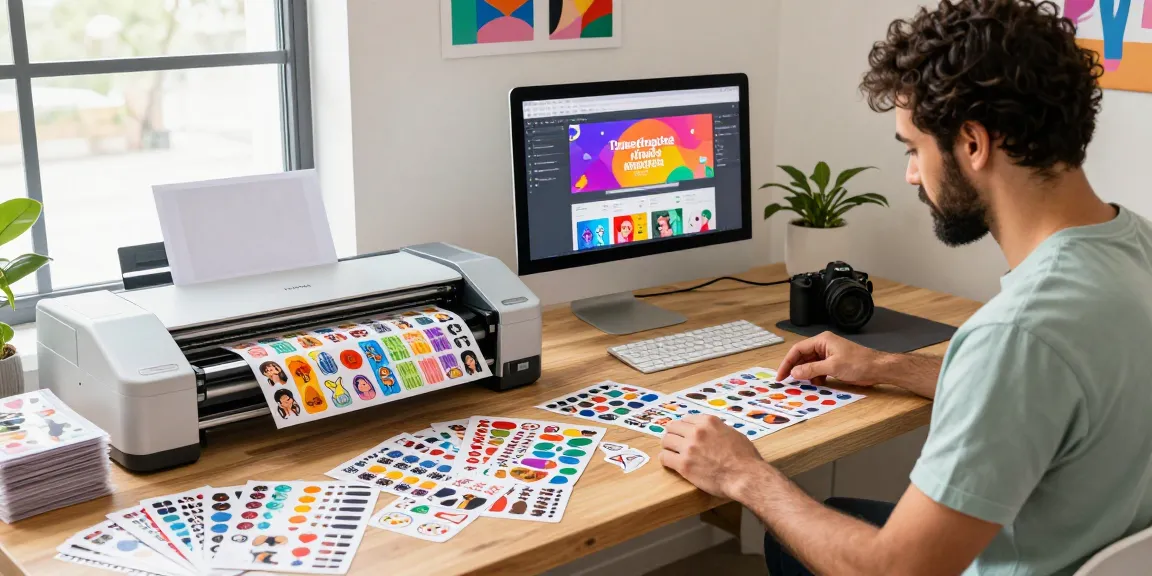
Understanding the Importance of Custom Stickers
Custom stickers have become indispensable tools in marketing and branding across various industries. They serve not just as decorative elements but as crucial instruments for businesses to communicate their identity and values. From small startups to large corporations, the versatility and cost-effectiveness of custom stickers allow them to engage their audience, foster brand loyalty, and promote their products without the need for extensive investment.
What Are Custom Stickers and Their Benefits?
Custom stickers are personalised adhesive labels made in various shapes, sizes, materials, and designs tailored to meet specific branding needs. The benefits of using custom stickers are numerous:
- Cost-Effective Marketing: Stickers provide an affordable way to promote a brand. They have a low production cost while yielding high visibility.
- Versatility: Custom stickers can be used on various surfaces—products, packaging, and even digital media—making them multifunctional.
- Brand Awareness: A well-designed sticker can help establish brand recognition and recall, especially when placed strategically in public spaces.
How Custom Stickers Enhance Brand Identity
Custom stickers play a vital role in reinforcing brand identity. By incorporating logos, colour schemes, and specific messaging, businesses can create a cohesive brand experience. Stickers can be distributed at events, included with purchases, or even given away to loyal customers, further embedding the brand into consumers’ daily lives. This continuous presence helps cultivate an emotional connection between the brand and its audience.
Common Uses for Custom Stickers in Various Industries
The utility of custom stickers extends across multiple sectors:
- Retail: Used for promotional purposes, product labels, and packaging.
- Entertainment: Bands and artists often use stickers for merchandise and promotional material.
- Education: Schools utilise stickers for awards, recognition, and marketing school events.
Designing Custom Stickers: Best Practices
Key Elements of Effective Sticker Design
An effective custom sticker design should adhere to several key principles:
- Clarity: The design should be straightforward and convey the message without ambiguity.
- Visual Appeal: Aesthetic elements such as colours, fonts, and images should attract attention.
- Brand Consistency: Design should align with other branding materials to maintain a unified look.
Choosing Materials and Printing Techniques
Various materials can be used for producing custom stickers, including vinyl, paper, and synthetic options, each with unique advantages:
- Vinyl: Durability and resistance to water and fading make vinyl an excellent choice for outdoor use.
- Paper: Cost-effective and versatile, ideal for indoor applications.
- Holographic Materials: Provide a unique visual effect that can enhance brand visibility.
Incorporating Brand Elements into Sticker Designs
To optimise the impact of custom stickers, businesses should integrate essential brand elements, including:
- Your logo prominently displayed
- Colours that reflect your brand’s identity
- Taglines or slogans that resonate with your target audience
Challenges in Creating Custom Stickers
Addressing Common Misconceptions About Stickers
Despite their advantages, custom stickers face misconceptions such as being seen merely as a gimmick or not viewed as effective marketing tools. Educating stakeholders on the versatility and effectiveness of stickers is essential to overcoming these barriers.
Budgeting for Quality Custom Sticker Production
Budgeting for custom stickers should take into account not just the cost of production but also potential costs related to distribution, marketing, and any unforeseen expenses. Investing in higher quality materials and designs can lead to better long-term returns.
Logistical Challenges in Sticker Distribution
Once stickers are produced, the next hurdle is ensuring they reach their intended audience. This may involve logistical planning, including packaging and shipping solutions for promotional campaigns or ensuring proper placement in retail locations.
Real-World Success Stories
Case Studies of Successful Custom Sticker Campaigns
Numerous businesses have successfully utilised custom stickers in their marketing strategies. For instance, a local café used custom stickers featuring their logo and quirky graphics to adorn takeaway cups and bags. This not only enhanced their branding but also encouraged customers to share their aesthetic on social media, resulting in increased foot traffic and sales.
Industry-Specific Applications of Stickers
Different industries leverage custom stickers uniquely:
- Food and Beverage: Stickers on products can highlight promotions or organic ingredients.
- Fashion: Clothing brands often utilise stickers as part of their packaging, enhancing the unboxing experience.
- Technology: Tech companies may distribute stickers at events to create buzz around their latest products.
Measuring the Impact of Custom Stickers on Business Growth
Success can be measured through various metrics, including increased brand recognition, social media engagement, and sales figures. Tracking these metrics will provide insights into the effectiveness of sticker campaigns and inform future strategies.
The Future of Custom Stickers in 2026 and Beyond
Emerging Trends in Sticker Design and Production
As we look towards 2026, several trends in sticker design and production are likely to shape the industry:
- Personalisation: Businesses will increasingly offer personalised stickers as part of their marketing efforts.
- Interactive Designs: QR codes and augmented reality (AR) will create interactive experiences through stickers.
Eco-Friendly Practices in Custom Sticker Manufacturing
With growing awareness around sustainability, the demand for eco-friendly sticker manufacturing is set to rise. Businesses will focus on using biodegradable materials and environmentally friendly inks, thereby reducing their carbon footprint.
How Technology is Revolutionising Custom Sticker Applications
Technological advancements have revolutionised the way stickers are designed and produced. Innovations like print-on-demand services and online design tools make it easier for businesses to create and order custom stickers tailored to their needs.
What Industries Benefit Most from Custom Stickers?
Nearly every industry can benefit from custom stickers, but retail, education, and entertainment stand out as the top sectors, as they require consistent branding and promotional tools.
How Can Businesses Effectively Market Their Custom Stickers?
Effective marketing strategies for custom stickers include utilising social media platforms, engaging in promotional events, and offering limited-time sticker giveaways to create buzz and drive sales.
What Is the Cost Range for Producing Custom Stickers?
The cost for producing custom stickers can vary widely based on the material, design complexity, and order quantity. Generally, prices can range from a few cents to several pounds per sticker.
Are There Sustainable Options for Custom Stickers?
Yes, many companies now offer sustainable sticker options, including those made from recycled materials and printed with eco-friendly inks, catering to environmentally conscious consumers.
What Role Do Custom Stickers Play in Branding Strategies?
Custom stickers play a crucial role in branding strategies by enhancing visibility, fostering customer loyalty, and providing a tangible representation of a brand that consumers can interact with.