Understanding CIKA4D and Its Role in Indoor Agriculture
Indoor agriculture represents a progressive shift in farming, leveraging technology to enhance efficiency and sustainability. CIKA4D has emerged as a pivotal player in this domain, offering innovative solutions that cater to the unique requirements of indoor farming. With an emphasis on creating optimal growing environments, CIKA4D combines advanced design principles with modern construction methods to support various aspects of indoor agriculture. When exploring options, cika4d slot provides comprehensive insights into how these advancements can transform agricultural practices.
What is CIKA4D?
CIKA4D is a cutting-edge platform that specializes in the design and construction of indoor agriculture facilities. It focuses on creating controlled environments conducive to plant growth, employing techniques such as vertical farming and hydroponics. The platform is geared towards enhancing crop production through efficient resource management, advanced climate control systems, and innovative lighting solutions, making it a cornerstone for modern agricultural practices.
Key Features of CIKA4D Solutions
- Integrated Climate Control: CIKA4D systems utilize advanced technologies to regulate temperature, humidity, and CO2 levels, ensuring an optimal growing environment.
- Efficient Lighting Systems: With energy-efficient LED lighting tailored for plant growth cycles, CIKA4D minimizes energy costs while promoting robust plant health.
- Modular Design: Flexibility in design allows facilities to be scaled according to operational needs, from small urban farms to large commercial operations.
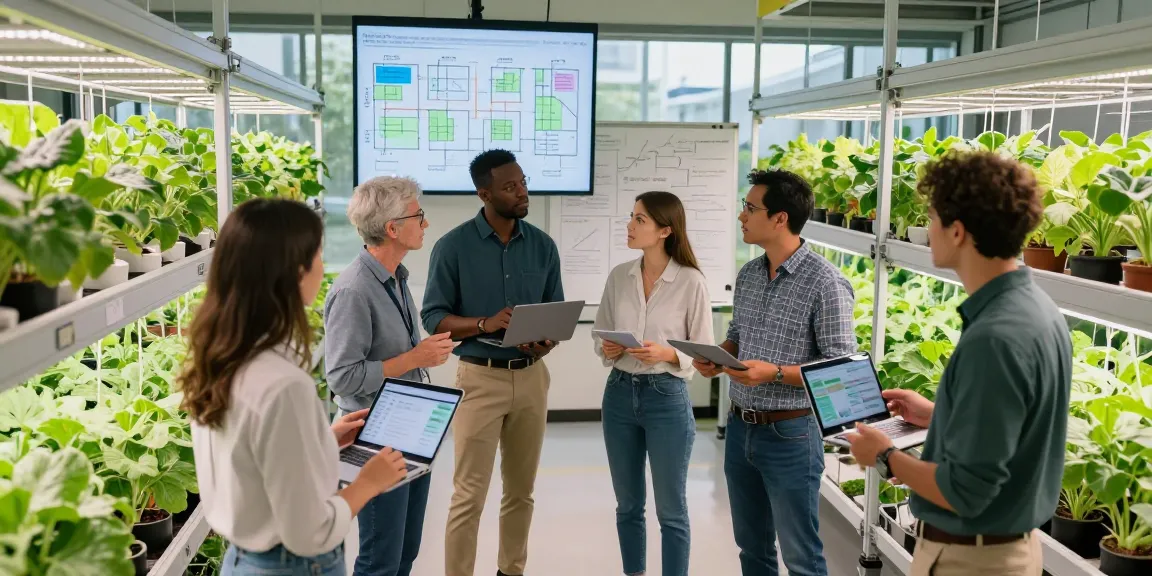
- Data-Driven Insights: Utilizing IoT (Internet of Things) technology, CIKA4D gathers data to optimize growth conditions and increase yield.
How CIKA4D Impacts Indoor AG Efficiency
CIKA4D significantly enhances the efficiency of indoor agriculture by implementing systems that minimize waste and maximize productivity. By automating climate control and monitoring plant health, the platform reduces the manual labor required for crop management. Additionally, the integration of technology facilitates data analysis, allowing farmers to make informed decisions that lead to better crop yields and lower costs.
Benefits of CIKA4D Slot in Modern Farming
Enhancing Crop Yield with CIKA4D
The most significant advantage of adopting CIKA4D solutions is the marked improvement in crop yields. By optimizing light exposure, nutrient delivery, and growth conditions, farmers can produce healthier plants. This results in higher quality produce and increased market value, making it an attractive option for both new and established agricultural enterprises.
Energy Efficiency and Sustainability
Sustainability is at the heart of CIKA4D’s approach, promoting energy-efficient practices. The use of renewable energy sources and cutting-edge LED technology not only reduces operational costs but also minimizes the carbon footprint of agricultural activities. This aligns with the global push towards sustainable farming practices, making CIKA4D an exemplary model for eco-friendly agriculture.
Case Studies: Successful CIKA4D Implementations
Numerous farms have successfully integrated CIKA4D solutions, showcasing the platform’s versatility. For instance, a vertical farm in an urban setting increased its tomato yield by 70% within the first year of implementation, thanks to precise climate control and optimized lighting conditions. Similarly, another facility reported drastic reductions in water usage without compromising crop output, demonstrating the efficiency of CIKA4D’s resource management.
Challenges in Adopting CIKA4D Technologies
Common Obstacles for Indoor AG Brands
While the benefits of CIKA4D are substantial, the transition to these innovative technologies does present challenges. Initial investment costs can be significant, deterring some farmers from making the switch. Additionally, the learning curve associated with new technologies may require training that many brands are not prepared to undertake.
Addressing User Feedback and Improvement
CIKA4D teams are proactive in addressing user feedback. Regular updates and system improvements are based on real-world experiences shared by farmers, ensuring that the technology evolves to meet user needs. This commitment to customer satisfaction aids in fostering trust and encouraging wider adoption of CIKA4D solutions.
Technological Limitations and Future Innovations
Despite the advancements, some technological limitations still exist. Connectivity issues in certain rural areas may hinder the implementation of IoT systems. However, ongoing research and development efforts aim to address these gaps, paving the way for future innovations in indoor agriculture technology.
Getting Started with CIKA4D
Initial Setup and Consultation Process
The journey with CIKA4D begins with a comprehensive consultation process where experts analyze a farm’s specific needs. This involves assessing current setups, discussing objectives, and determining the best CIKA4D solutions to implement. Customization is key, ensuring that every installation meets unique operational demands.
Best Practices for Implementing CIKA4D
To maximize the benefits of CIKA4D, farmers are encouraged to follow best practices during implementation. This includes setting realistic goals, using data analytics to monitor progress, and remaining open to adjustments as necessary. Continuous learning and adaptation will ensure long-term success in adopting these technologies.
Measuring Success: Metrics and KPIs
Success in indoor agriculture with CIKA4D can be measured through various metrics, including crop yield, energy consumption, and return on investment (ROI). Establishing key performance indicators (KPIs) helps farmers track progress and identify areas for improvement, ensuring that their operations remain competitive in a rapidly evolving market.
Future of Indoor Agriculture with CIKA4D
Emerging Trends in Indoor Agriculture Technologies
As the industry evolves, several trends are emerging that could influence the future of indoor agriculture. Automation and artificial intelligence are expected to play a critical role in enhancing operational efficiency, while advancements in genetic engineering may lead to crop varieties that thrive in controlled environments.
Projected Developments for CIKA4D in 2026
By 2026, CIKA4D is projected to introduce more advanced systems that integrate artificial intelligence for predictive analytics, allowing farmers to foresee crop needs and adjust their practices proactively. The continued focus on eco-friendly technologies will further bolster CIKA4D’s commitment to sustainability.
How CIKA4D Can Shape the Future of Farming
CIKA4D’s role in shaping the future of farming cannot be overstated. By fostering innovation and emphasizing sustainability, it sets a precedent for how agriculture can adapt to meet global food demands while preserving natural resources. The success of CIKA4D will inspire further advancements in agricultural technology.
What Are the Costs Involved?
Understanding the costs involved in implementing CIKA4D solutions is crucial for potential users. While the initial financial investment can be high, the long-term savings in operational costs and increased productivity often justify the expense. A detailed cost-benefit analysis can help farmers see the potential returns on their investment over time.
How Does CIKA4D Compare to Other AG Solutions?
When comparing CIKA4D to other agricultural solutions, its unique blend of technology, efficiency, and sustainability stands out. While other systems may offer partial solutions, CIKA4D provides a holistic approach that addresses various aspects of indoor agriculture, making it a top choice for modern farmers seeking comprehensive solutions.