Understanding the Basics of Slot Management
Slot management is a critical aspect of culinary preparation that refers to how time and resources are allocated during food preparation and service. Proper management of slots ensures that meals are prepared efficiently and served at their optimal quality. It is essential to understand the foundational principles of slot management as it not only affects the flow of food preparation but also impacts overall cooking efficiency and customer satisfaction. When exploring options, slot provides comprehensive insights into this nuanced process.
What is Slot Management?
Slot management encompasses the systematic organization of tasks related to food preparation and service. It involves determining the sequence and duration of various culinary activities, such as chopping, cooking, and plating, to ensure that each dish is ready for service simultaneously. This practice is especially significant in high-volume settings like catering and restaurants where timing is crucial.
The Importance of Slot in Culinary Preparation
Effective slot management is vital for maintaining the quality and consistency of meals. It helps chefs streamline their processes, minimize waste, and enhance productivity. By carefully coordinating slots, culinary teams can ensure that ingredients are prepared and cooked at the right time, preserving their freshness and flavor.
Common Misconceptions about Slot Usage
Many people believe that slot management is solely about timing. However, it also involves resource allocation, team coordination, and equipment utilization. Misunderstanding the broader scope of slot management can lead to inefficiencies and inconsistent meal quality.
Identifying Common Slot Errors in Home Cooking
Recognizing common slot errors can significantly improve your home cooking experience. Many novice cooks face challenges related to timing and organization, which can result in less-than-ideal meal outcomes. By understanding these issues, you can enhance your culinary skills.
Top Slot Mistakes to Avoid
- Poor Timing: Misjudging cooking times can lead to undercooked or overcooked dishes.
- Inadequate Preparation: Failing to prepare ingredients before starting to cook can disrupt the cooking flow.
- Ignoring Equipment Readiness: Not preheating ovens or preparing cooking tools in advance can slow down the cooking process.
Recognizing Poor Slot Execution
Poor slot execution often manifests in the final product—dishes that are not correctly cooked or that lack the intended flavor profile. If you notice inconsistencies in your meals, it may indicate issues with how you manage slots during the preparation process.
Understanding User Intent Related to Slot Issues
It is crucial to comprehend why certain slot errors occur, particularly in relation to user intent. For instance, a cook who rushes through preparation might be trying to save time but may inadvertently compromise meal quality. Recognizing the motivations behind these errors aids in developing effective strategies to mitigate them.
Strategies for Effective Slot Management
Implementing effective slot management strategies can drastically improve your culinary preparations. By refining your approach, you can enhance both the quality of your meals and the efficiency of your cooking processes.
Best Practices in Culinary Slot Coordination
- Plan Ahead: Create a detailed plan that includes all tasks and the time required for each.
- Prioritize Tasks: Identify which tasks are critical and which can be performed simultaneously.
- Stay Flexible: Be prepared to adjust your plan as needed; unexpected delays are common in cooking.
Easy Techniques to Optimize Your Slot Use
Optimizing your slot usage can be achieved through simple techniques like batching ingredients, prepping in advance, and grouping similar tasks together. These methods help maintain a smooth workflow, reducing downtime and increasing efficiency in the kitchen.
Real-World Examples of Successful Slot Applications
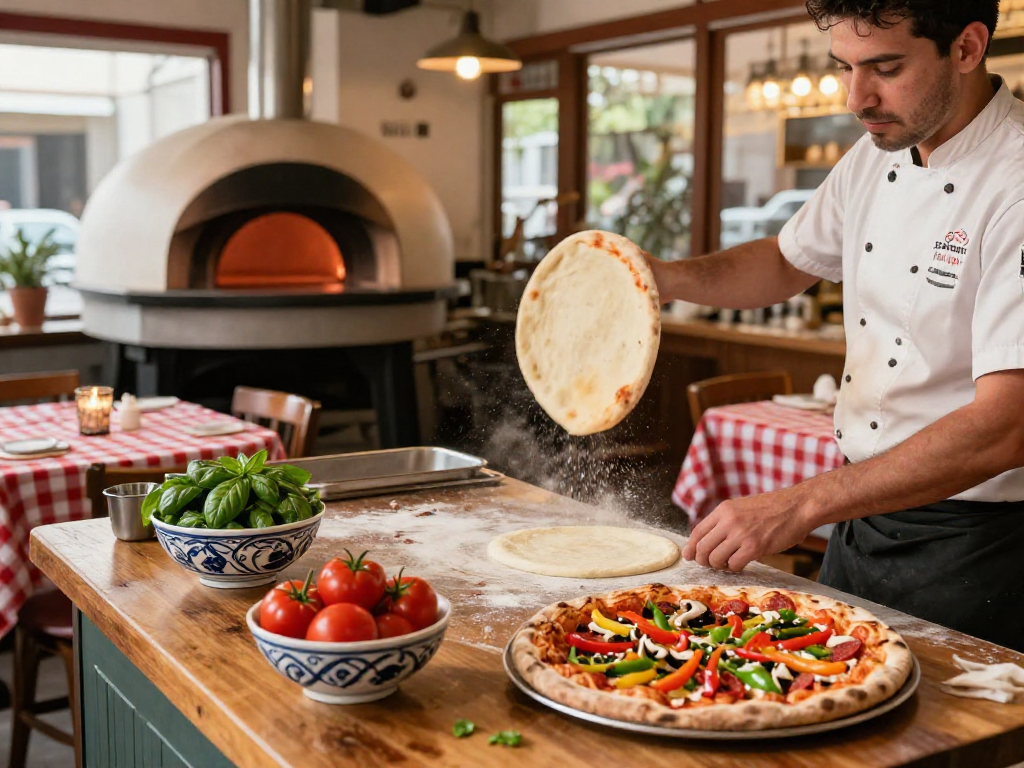
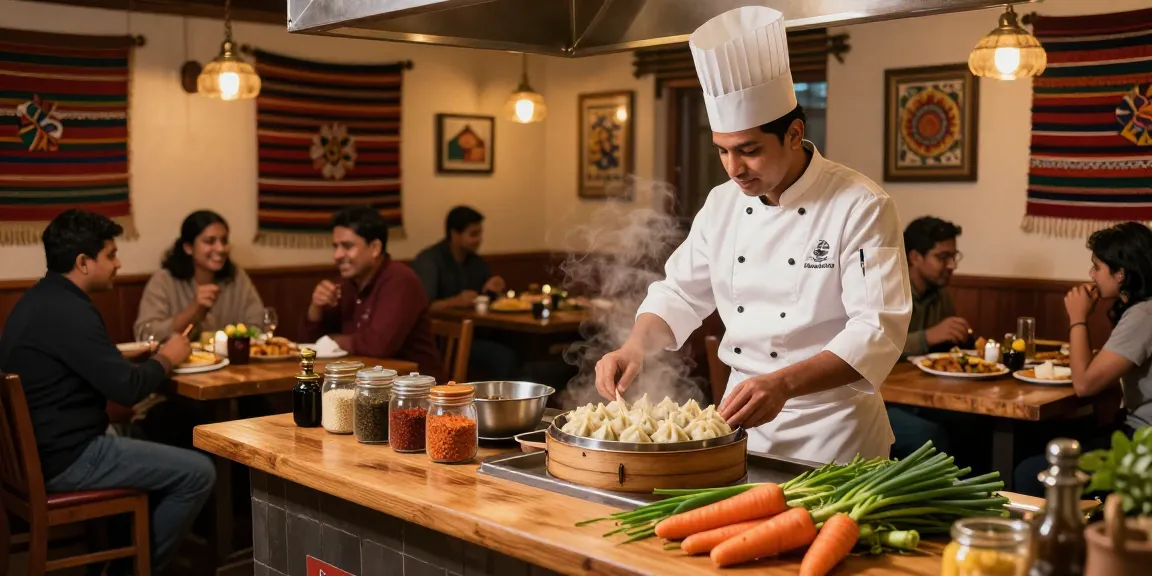
Restaurants that thrive often do so due to their adept handling of slot management. For example, in a busy kitchen during dinner service, a well-orchestrated slot management system allows chefs to prepare meals simultaneously while ensuring each dish meets quality standards. Such strategic planning results in timely service and satisfied customers.
Measuring Success: Metrics for Slot Effectiveness
To enhance your slot management practices, it’s essential to track key performance metrics that indicate effectiveness. By evaluating these metrics, you can make informed adjustments to your cooking strategies.
Key Performance Indicators for Slot Efficiency
- Preparation Time: Measure how long it takes to prepare various components of a meal.
- Cook Times: Track the actual cook times versus the planned cook times.
- Waste Reduction: Monitor food waste generated during preparation as a measure of efficiency.
Evaluating Slot Impact on Meal Quality
Assessing the impact of your slot management on meal quality can be done through customer feedback and personal taste tests. Regular evaluation helps ensure that the method you employ yields desirable results.
Feedback Mechanisms for Continuous Improvement
Incorporating feedback mechanisms into your culinary practice allows for continuous improvement in slot management. This could include soliciting feedback from diners or reflecting on your cooking outcomes to identify areas for enhancement.
Future Trends in Slot Management for 2026
As the culinary world continues to evolve, so too does the practice of slot management. Anticipating future trends can help chefs and home cooks stay ahead of the game and leverage new techniques effectively.
Emerging Concepts in Culinary Slot Strategies
One significant trend is the integration of technology in kitchen management. Smart kitchen devices are increasingly aiding in scheduling and monitoring the cooking process, enabling more precise slot management.
Predicted Changes in Slot Management Practices
Looking ahead, we can expect a shift towards more personalized cooking experiences, where slot management is tailored to individual preferences and dietary needs, making it easier for cooks to deliver customized meals.
Innovative Tools for Enhanced Slot Performance
New kitchen tools, such as automated timers and online meal planning apps, are expected to emerge, facilitating better slot management. These innovations will empower cooks to optimize their time and resources effectively.
What are the most common slot errors in sandwich preparation?
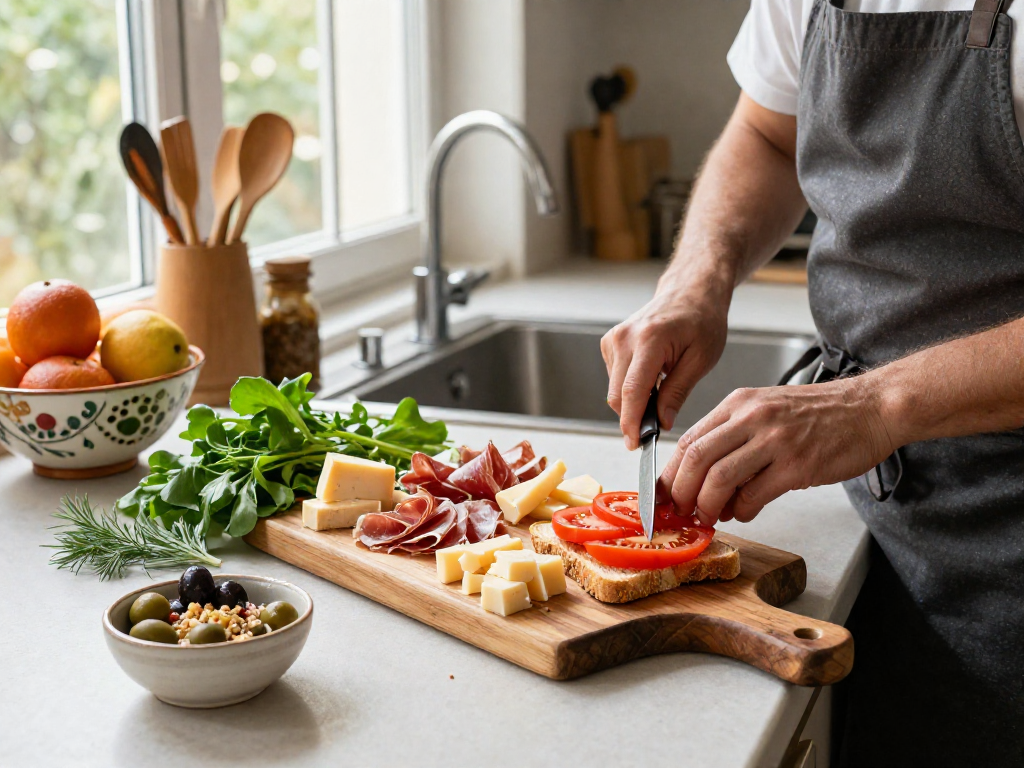
Common errors in sandwich preparation often involve misjudging ingredient proportions, failing to toast bread properly, or not layering ingredients mindfully. These mistakes can compromise the overall quality and taste of the sandwich.
How can I improve my slot management in cooking?
Improving your slot management can be achieved through thorough planning, practice, and learning from past experiences. Establishing a routine that incorporates all essential tasks will significantly enhance your efficiency in the kitchen.
What tools can help optimize slot usage?
Tools like timers, meal planning apps, and pre-measured ingredient kits can greatly assist in optimizing slot usage, ensuring that you remain organized and efficient during cooking.
Are there any best practices for managing slot effectively?
Yes, best practices for effective slot management include detailed planning, prioritizing key tasks, and being adaptable throughout the cooking process. These practices help ensure that meals are prepared efficiently without compromising quality.
What future trends should I be aware of in culinary slot management?
Future trends include the increasing use of technology in meal preparation, the personalization of cooking experiences, and the emergence of innovative tools that support enhanced performance in slot management.