
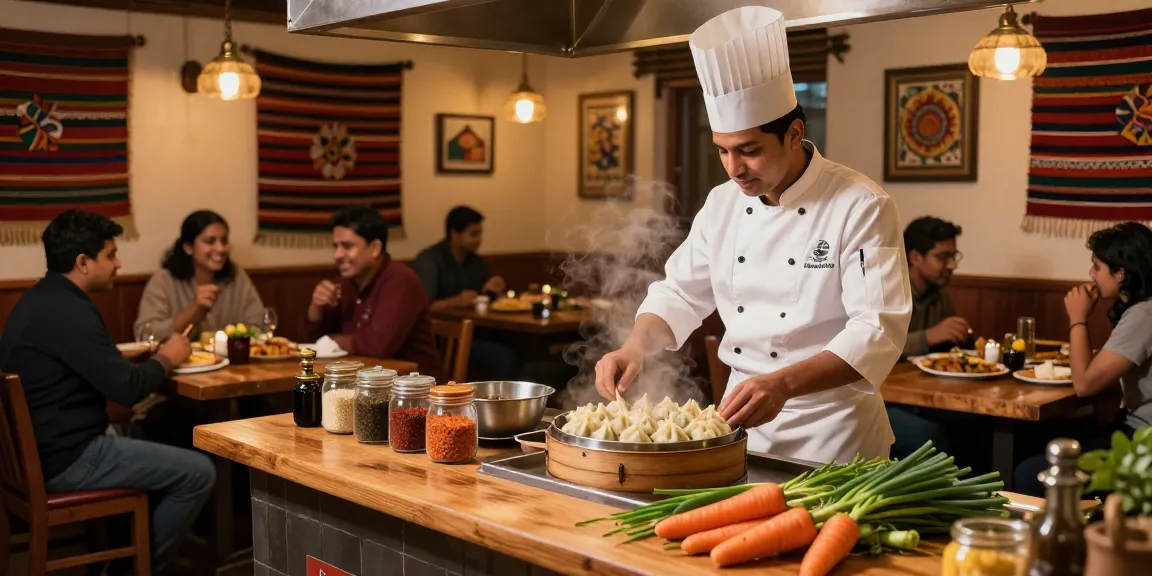
The Cultural Essence of Nepali Cuisine
Nepali cuisine, rich in flavors and steeped in tradition, provides a remarkable glimpse into the culture and heritage of Nepal. It showcases the country’s diverse geography and the harmonious blend of various ethnic communities, each contributing unique culinary practices. From the bustling streets of Kathmandu to the serene landscapes of Pokhara, Nepali food is a celebration of togetherness and the joy of sharing meals. Whether you’re sampling delicious momo or savoring a steaming bowl of dal bhat, the essence of this cuisine lies in its authenticity and the warmth it exudes. When exploring options, https://namastecurryandmomo.com provides comprehensive insights into this vibrant culinary world.
Understanding the Origins of Momo
Momo, often regarded as the national dish of Nepal, traces its origins to Tibet. Historically, it was a staple among the Tibetan people, but over time, it adapted to local tastes and ingredients as it spread across the Himalayan region. The basic structure of momo involves a flour-based dumpling filled with various ingredients, ranging from minced meat to vegetables and cheese. The word “momo” itself comes from the Tibetan word for “steamed bread,” highlighting its roots.
In Nepal, momos have become a symbol of culinary fusion, reflecting influences from Indian, Chinese, and indigenous cooking styles. The preparation methods are equally diverse, with variations including steamed, fried, and even pan-fried momos. Each region boasts its unique take on this beloved dish, showcasing local spices and ingredients, making it a dynamic and ever-evolving aspect of Nepali cuisine.
Incorporating Traditional Ingredients
One of the hallmarks of Nepali cuisine is the use of fresh, locally-sourced ingredients. Traditional cooking methods emphasize simplicity and seasonality, allowing the natural flavors of ingredients to shine. Essential components, such as rice, lentils, and an array of vegetables, form the backbone of many dishes. Herbs and spices like cumin, coriander, and turmeric not only enhance flavor but also offer numerous health benefits.
Moreover, the inclusion of ingredients like timur (Sichuan pepper), gundruk (fermented leafy greens), and achar (pickles) showcases the complexity of flavors found in Nepali meals. With a focus on organic farming and sustainable practices, more restaurants are now prioritizing locally sourced produce, enriching the dining experience while supporting local agriculture.
Celebrating Festivals with Food
Food plays a central role in Nepal’s festivals, each of which presents an opportunity for families and communities to gather and celebrate. During Dashain, families prepare a lavish feast that typically includes goat meat, rice, and various traditional sweets. Similarly, during Tihar, one of the most significant festivals, the preparation of special foods—including pumpkin and sesame sweets—symbolizes gratitude and respect among loved ones.
Festivals are also marked by communal cooking, where traditional recipes are passed down through generations. This practice not only preserves culinary heritage but also fosters a sense of belonging and pride within the community.
Popular Dishes and Their Unique Flavors
Signature Momo Varieties
While momos are synonymous with Nepali cuisine, there are numerous signature varieties that cater to different palates. The traditional buff momo, filled with spiced minced buffalo meat, is a favorite among locals. Vegetarian options like paneer momo or vegetable momo also hold significant popularity, appealing to both meat-eaters and vegetarians alike.
- Juju Dhau: Often referred to as ‘king yogurt,’ this creamy dessert is a must-try. Its luscious texture pairs perfectly with spicy dishes.
- Sel Roti: A traditional sweet rice-based doughnut, sel roti is typically made during festivals and complements savory dishes beautifully.
- Nepali Thali: This platter represents a full meal and typically includes rice, lentils, vegetable curry, and achars, showcasing a variety of flavors on one plate.
Pairings with Authentic Dips
No meal is complete without the accompanying dips that elevate the taste of Nepali dishes. One such delight is achar, a tangy and spicy condiment made from tomatoes, radishes, and various spices. It adds a zingy flavor to momos and other savory items.
Another popular dip is sesame seed chutney, which has a rich and nutty flavor that beautifully complements the spiciness of many Nepali curries. These dips not only enhance the overall taste of the meal but also introduce a delightful contrast of textures and flavors.
Seasonal Specialties to Try
Each season in Nepal brings unique culinary offerings. In winter, warm and hearty dishes like gajar ko halwa (carrot pudding) are popular, while summer favors lighter fare such as fresh salads and cooling yogurt-based dishes. Understanding these seasonal specialties allows diners to experience the full range of flavors that Nepali cuisine has to offer.
Festivals also dictate the availability of certain dishes. For example, the arrival of spring heralds the preparation of traditional sweets made from fresh fruits and ingredients that symbolize prosperity and new beginnings.
Dining Experience at https://namastecurryandmomo.com
Atmosphere and Ambiance
The dining experience at https://namastecurryandmomo.com captures the essence of Nepali culture through its carefully curated ambiance. The decor reflects the vibrant culture of Nepal, with traditional motifs and artifacts that transport diners to the heart of the Himalayas. Soft lighting and earthy tones create a warm and inviting setting, perfect for sharing meals with family and friends.
Service Excellence and Customer Satisfaction
Exceptional service is a cornerstone of the dining experience at Namaste Curry and Momo. Staff are trained to ensure that guests receive personalized attention, making every visit memorable. From detailed menu explanations to recommendations based on guest preferences, the staff’s commitment to customer satisfaction shines through in every interaction.
Community Engagement and Cultural Events
Namaste Curry and Momo actively engages with the community by hosting cultural events that celebrate Nepali traditions. Cooking classes, cultural performances, and festivals provide a platform for patrons to learn about Nepali heritage while indulging in savory dishes. These events foster a sense of community, allowing guests to connect with one another and share their love for Nepali cuisine.
Health Benefits of Nepali Cuisine
Fresh Ingredients and Nutritional Value
The emphasis on fresh, wholesome ingredients in Nepali cuisine ensures that meals are not only delicious but also nutritious. The use of a variety of vegetables, legumes, and whole grains contributes to a balanced diet rich in vitamins, minerals, and antioxidants.
Furthermore, traditional cooking methods often involve steaming, boiling, or light frying—techniques that preserve the nutritional integrity of the food while enhancing flavors without excess calories.
Balancing Flavor and Health
In Nepali cooking, flavor is prioritized while maintaining health-conscious practices. Spices like turmeric and ginger are not only flavorful but also offer anti-inflammatory properties, making dishes beneficial for overall health. The incorporation of fermented items such as gundruk contributes probiotics to the diet, promoting gut health.
Modern Twists on Traditional Recipes
As the culinary landscape evolves, chefs are experimenting with traditional Nepali recipes to cater to contemporary tastes. Innovative variations of classic dishes—such as quinoa-based momos or vegan dal bhat—are emerging. These adaptations not only meet dietary preferences but also enhance the nutritional profile of beloved dishes.
Future Trends in Nepali Dining by 2026
Adapting to Global Culinary Trends
As we approach 2026, the adaptation of Nepali cuisine to global trends is inevitable. With an increasing number of people seeking authentic dining experiences, restaurants are focusing on transparency in sourcing, emphasizing local ingredients while highlighting traditional cooking methods.
Moreover, the rise of plant-based diets will likely see an expansion in vegetarian and vegan options, allowing Nepali cuisine to cater to a broader audience.
Embracing Sustainability in Sourcing
Environmental consciousness is shaping the future of dining. Many restaurants are prioritizing sustainable sourcing practices, selecting organic produce and ethically raised meats. By doing so, they not only contribute to the well-being of the planet but also enhance the quality of the food served.
Innovation in Restaurant Technology
The integration of technology in the dining experience is becoming more prevalent, with advancements such as online reservations, contactless payments, and interactive menus. This not only streamlines the dining process but also enhances customer convenience and satisfaction.
What Makes Nepali Food Stand Out?
The distinctiveness of Nepali cuisine lies in its diverse flavors and cultural significance. The fusion of spices, herbs, and fresh ingredients creates dishes that not only satiate hunger but also tell a story of tradition and community. Furthermore, the communal aspect of sharing meals is deeply ingrained in Nepali culture, making dining more than just an act of nourishment.
How to Cook Momo at Home?
To bring the taste of Nepal to your kitchen, making momos at home is an enjoyable and rewarding activity. Begin by preparing the dough using flour and water, kneading until smooth. For the filling, choose your favorite ingredients—common options include minced meat or finely chopped vegetables mixed with spices. After forming the dumplings, steam them for about 15-20 minutes, and serve with spicy dips for an authentic experience.
Can You Customize Momo Fillings?
Absolutely! One of the joys of making momos is the ability to customize fillings according to personal preferences or dietary restrictions. From experimenting with different meats to incorporating unique vegetables and cheeses, the variations are endless. This flexibility allows home cooks to create a unique twist on each dish while celebrating the essence of Nepali cuisine.
What Are the Origins of Nepali Cuisine?
Nepali cuisine reflects the rich cultural tapestry of Nepal, influenced by its geography, climate, and diverse ethnic groups. Its origins can be traced back to the ancient practices of the indigenous people, with influences from Tibetan, Indian, and Bhutanese cuisines shaping traditional dishes. This blend of flavors and techniques is what makes Nepali food distinct and beloved around the world.
How to Host a Nepali Dinner Party?
Hosting a Nepali dinner party can be a delightful experience. Start by planning a menu that features iconic dishes like momo, dal bhat, and gajar ko halwa. Decorate the space with traditional elements, such as colorful textiles and handmade crafts, to create an authentic atmosphere. Encourage guests to participate in the cooking process if possible, as sharing the experience can enhance enjoyment and appreciation for the cuisine.
What should I order for a first visit?
If you’re visiting a Nepali restaurant for the first time, consider starting with a plate of steamed momos accompanied by spicy achar. Follow this with a traditional thali, allowing you to sample a variety of flavors and textures. Don’t forget to end your meal with a sweet treat like juju dhau to complete the experience.
