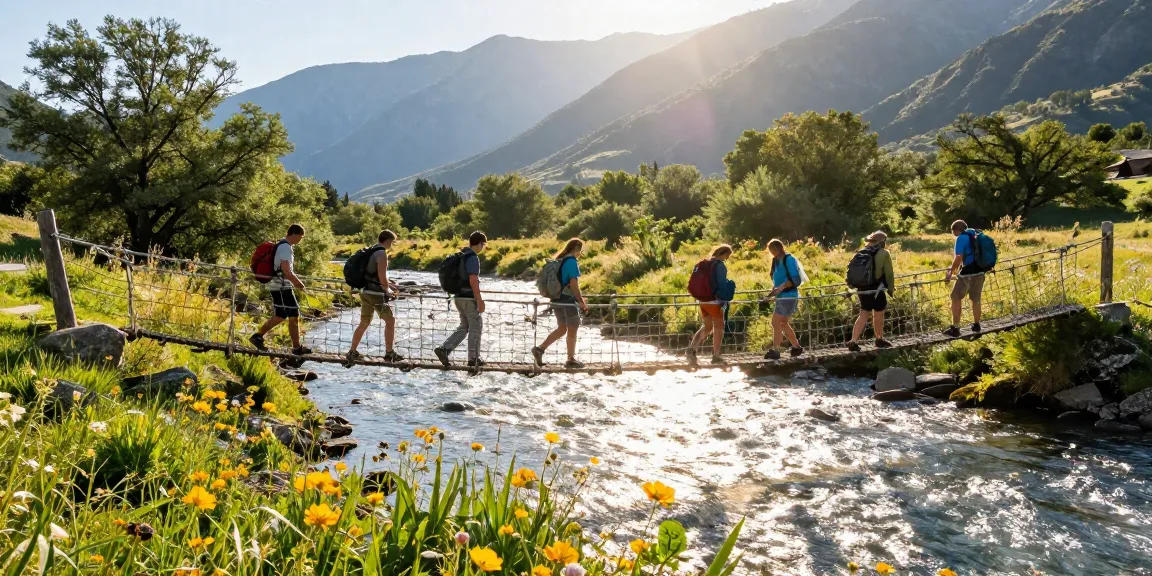
The Art of River Rope Bridge Design
Creating a river rope bridge is an intricate blend of engineering, art, and functionality. These stunning structures not only serve the practical purpose of crossing rivers safely but also enhance the aesthetic appeal of their surroundings. From remote hiking trails to urban parks, river rope bridges can offer unique experiences, connecting communities and enhancing recreational opportunities. When exploring options, River Rope Bridge designs can provide comprehensive insights into creating a structure that meets your specific needs.
Understanding the Components of a River Rope Bridge
A river rope bridge consists of various essential components that work in unison to ensure its stability and safety. Understanding these elements is crucial for anyone considering the construction or use of such bridges. The primary components include:
- Main cables: These are the primary load-bearing elements that support the bridge's weight and the load it carries.
- Decking: The surface of the bridge, which can be made from wood, metal grating, or rope, allowing safe passage across the river.
- Anchor points: Securely attached to solid ground, these hold the cables in place and prevent the bridge from shifting.
- Support beams: These provide additional stability and can be used to distribute weight evenly across the bridge.
Materials Used in Building Durable Rope Bridges
The materials chosen for constructing a river rope bridge significantly impact its durability and maintenance needs. Common materials include:
- High-tensile steel cables: Renowned for their strength and resistance to corrosion, these cables are ideal for safety and longevity.
- Synthetic ropes: Lightweight and resistant to environmental wear, synthetic ropes offer flexibility and strength, suitable for various bridge designs.
- Wooden planks: Often used for decking, they provide a natural aesthetic but require treatment to withstand moisture and pests.
- Steel or concrete anchors: For stability, these materials are often used to secure cables in challenging terrain.
Safety Standards for River Rope Bridge Construction
Safety is paramount when it comes to river rope bridges. Following recognised safety standards ensures that the structure is resilient and secure. Key considerations include:
- Load capacity: Designing the bridge to support the expected maximum load, including additional safety margins.
- Emergency access: Providing clear paths for emergency services to reach users in case of an incident.
- Regular inspections: Establishing a routine for checking structural integrity, wear and tear, and environmental impact.
- User education: Implementing guidelines for safe use, including weight limits and best practices during crossings.
Planning Your River Rope Bridge Project
Before embarking on the construction of a river rope bridge, meticulous planning is essential. Proper planning not only ensures the bridge's success but also helps avoid common pitfalls that can lead to costly adjustments later.
Assessing the Ideal Location for Your Bridge
Selecting the right location for your river rope bridge is critical. Factors to consider include:
- River width and depth: The bridge must span a river's width while accommodating changes in water level.
- Environmental impact: Evaluate the effect on local wildlife and plant life, aiming to minimise disruption.
- Accessibility: Choose a site that allows easy access for construction and future maintenance.
- Soil stability: Ensure the ground is firm enough to support the bridge's anchors and weight.
Budgeting for a River Rope Bridge: Costs and Considerations
Creating a budget for a river rope bridge involves more than just material costs. Key considerations include:
- Design expenses: Hiring an architect or engineer for a custom design can significantly affect your budget.
- Material costs: Fluctuations in pricing for steel, wood, and other materials can impact overall costs.
- Labour costs: Skilled labour is essential for safe construction, and costs can vary based on local rates.
- Maintenance budgeting: Setting aside funds for ongoing maintenance and inspections is crucial for long-term safety.
Permits and Regulations: What You Need to Know
Before construction begins, it’s essential to navigate local regulations and obtain the necessary permits. This process can include:
- Environmental assessments: Ensuring construction will not harm local ecosystems or waterways.
- Building permits: Securing local government approval to comply with safety guidelines and regulations.
- Zoning laws: Confirming that the bridge can be built in the proposed location based on local zoning regulations.
Building Techniques for River Rope Bridges
With planning complete, it’s time to move into the construction phase of your river rope bridge. This stage requires careful attention to detail and adherence to safety protocols.
Step-by-Step Guide to Constructing a Rope Bridge
The construction of a river rope bridge can be broken down into several key steps:
- Site preparation: Clear the area and assess soil conditions. Ensure a stable foundation for the anchors.
- Install anchor points: Securely attach anchors on both sides of the river before tensioning the main cables.
- Install cables: Thread and tension the main cables, maintaining level lines across the river.
- Add decking: Securely install the decking material, ensuring it is even and well-spaced.
- Final inspection: Carry out a complete check of structural integrity before use.
Common Challenges in Bridge Construction and How to Overcome Them
During the construction of river rope bridges, several challenges may arise, including:
- Weather constraints: Heavy rains or high winds can delay construction, so plan around weather conditions.
- Regulatory delays: Ensure all permits are obtained early to avoid construction halts.
- Material availability: Source materials well in advance to mitigate supply chain issues.
Tools and Equipment Necessary for Building Your Bridge
Having the right tools is essential for efficiently constructing a river rope bridge. Key equipment includes:
- Cranes: Useful for lifting and positioning heavy materials like cables and decking.
- Power tools: For cutting and securing materials accurately and efficiently.
- Safety gear: Hard hats, harnesses, and other protective equipment are crucial for worker safety.
Maintaining Your River Rope Bridge
Once built, ongoing maintenance of a river rope bridge is vital to ensure safety and longevity. Regular checks can prevent small issues from escalating into significant problems.
Regular Maintenance Checklist for Safety
Regularly inspecting your bridge is essential to ensure its safety and performance. Here’s a checklist to follow:
- Inspect cables: Check for signs of wear, fraying, or corrosion on cables at least biannually.
- Examine decking: Look for loose or damaged planks and replace them as needed.
- Check anchors: Ensure that anchor points remain secure and that there is no soil erosion around them.
Signs of Wear: When to Repair or Replace Parts
Knowing when to repair or replace parts of your river rope bridge is crucial for maintaining safety. Key signs of wear include:
- Visible fraying or rust: Cables should be inspected for visible damage, which may require replacement.
- Squeaking or creaking sounds: Unusual noises during use can indicate structural issues that need addressing.
- Decking shift: If the decking begins to feel uneven or loose, it may require immediate attention.
Best Practices for Long-term Care of Rope Bridges
To ensure that your river rope bridge remains safe and functional for years, adopt the following best practices:
- Conduct regular inspections: Schedule inspections at least twice a year, looking for signs of damage and wear.
- Keep a maintenance log: Document repairs and inspections to track the bridge’s condition over time.
- Be proactive: Address minor issues promptly to avoid larger, costlier repairs in the future.
Case Studies: Successful River Rope Bridge Installations
Examining successful river rope bridge projects can provide valuable insights and inspiration. Here are some notable examples:
Community Projects: Enhancing Local Trails
Many communities have invested in river rope bridges as part of regional trail systems. These projects often encourage outdoor activity and bring local residents together. For example, a project in a national park integrated a eco-friendly rope bridge that not only served hikers but also improved access to nature while preserving the local ecosystem.
Private Installations: Personalising Your Adventure Experience
In private settings, homeowners have successfully constructed rope bridges to connect treehouses or to provide access across wider properties. These installations often become a focal point for family gatherings and events, adding both functionality and aesthetic beauty.
Lessons Learned from River Rope Bridge Projects
Across various projects, several lessons have emerged that can aid future builders:
- Community involvement: Engaging local communities during the planning phase can lead to a more widely accepted design and functional bridge.
- Budget flexibility: Being prepared for unexpected expenses during construction can ease frustrations when challenges arise.
- Documentation: Keeping thorough records during the build can help maintain compliance with regulations and inform future maintenance needs.
What are the benefits of a river rope bridge?
River rope bridges offer numerous benefits, including enhanced access to remote areas, increased recreational opportunities, and aesthetic appeal that complements natural settings. They also promote community engagement by connecting trails and parks.
How long can a rope bridge last?
With proper maintenance and quality materials, a well-constructed rope bridge can last anywhere from 10 to 50 years, depending on environmental conditions and usage levels.
What safety features should a river rope bridge have?
Essential safety features for a river rope bridge include weight limits, non-slip decking, safety rails, and clear signage indicating safe usage practices.
Can I build a river rope bridge myself?
While it is possible for skilled DIY enthusiasts to build a river rope bridge, it is strongly recommended to consult with professionals for design, safety, and construction to ensure the bridge is safe and durable.
What's the best material for a river rope bridge?
The best material typically combines high-tensile steel cables for strength with durable, weather-resistant decking, such as composite materials or treated wood, to provide longevity and safety for users.