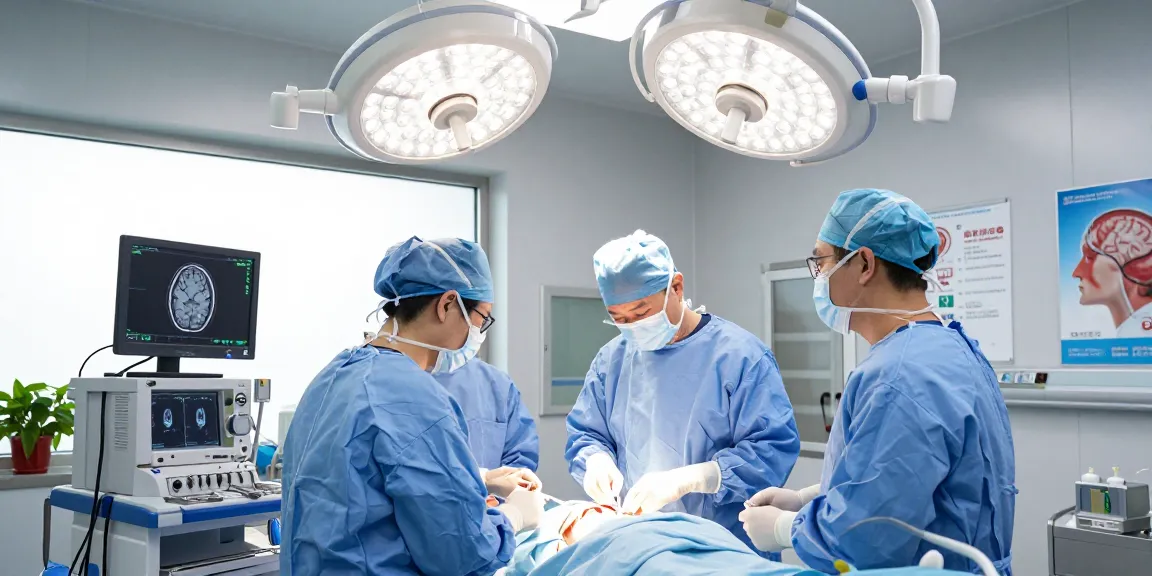
Understanding Beyin Ameliyatı
Beyin ameliyatı, the surgical intervention aimed at treating various neurological conditions, has gained significant advancements in techniques and technologies over the years. This complex procedure not only addresses critical issues such as brain tumors and hemorrhages but also offers hope to patients facing life-threatening neurological disorders. With the integration of minimally invasive techniques and advanced imaging technologies, patients can achieve better outcomes with reduced recovery times. Understanding the nuances of beyin ameliyatı is crucial for patients and their families as they navigate this challenging medical journey. When exploring options, Beyin ameliyatı provides comprehensive insights into the types, procedures, and what to expect during and after surgery.
What is Beyin Ameliyatı?
Beyin ameliyatı, or brain surgery, refers to any surgical procedure performed on the brain. It includes a variety of operations aimed at treating conditions such as brain tumors, traumatic brain injuries, aneurysms, or congenital abnormalities. The primary goal is to alleviate symptoms, improve brain function, and enhance the patient's quality of life. Advances in technology have enabled surgeons to perform these procedures with higher precision and less invasiveness, which directly correlates with quicker recovery times and fewer complications.
The Importance of Brain Surgery
The significance of beyin ameliyatı cannot be understated. It is often a lifeline for patients suffering from severe neurological disorders. Many conditions that affect the brain can lead to irreversible damage if left untreated. For instance, brain tumors can disrupt normal brain function and cause significant health deterioration. Timely surgical intervention can prevent further complications, relieve pressure on the brain, and ultimately save lives.
Common Reasons for Surgery
- Brain Tumors: Both malignant and benign tumors can necessitate surgical removal.
- Beyin Kanaması: Hemorrhages, which can occur due to trauma or ruptured aneurysms, often require emergency surgery.
- Seizure Disorders: In cases of epilepsy, surgery may be necessary to remove abnormal brain tissue.
- Hydrocephalus: Conditions causing fluid buildup in the brain may require surgical intervention to insert a shunt.
- Intracranial Pressure: Elevated pressure due to various conditions can necessitate surgical measures.
Types of Beyin Ameliyatı Procedures
Beyin Tumor Surgery
Brain tumor surgery involves the surgical removal of tumors located within or on the surface of the brain. The approach depends on the type, size, and location of the tumor, as well as the patient’s overall health. Techniques such as craniotomy or stereotactic surgery may be utilized. In craniotomy, a section of the skull is temporarily removed to access the tumor, while in stereotactic surgery, targeted radiation is used to destroy tumor cells.
Awake Craniotomy Explained
Awake craniotomy is a specialized procedure where the patient is awake during part of the surgery. This technique is particularly important for tumors located near areas of the brain responsible for speech and movement. By keeping the patient awake, the surgeon can monitor brain function in real-time and minimize the risk of neurological deficits post-surgery. This innovative method has shown promising results in maintaining cognitive function.
Endoscopic Techniques for Brain Surgery
Minimally invasive endoscopic techniques have revolutionized brain surgery. Utilizing a small camera and instruments inserted through tiny incisions, surgeons can perform complex procedures with reduced trauma to surrounding tissues. Techniques such as endoscopic pituitary surgery allow for access to tumors located at the base of the skull without making large incisions, resulting in quicker recovery times and less postoperative discomfort.
Preparing for Beyin Ameliyatı
Pre-Surgery Assessment
Preparing for beyin ameliyatı involves comprehensive preoperative assessments. Patients typically undergo a series of evaluations, including imaging studies like MRI or CT scans, and consultations with a neurosurgeon to discuss specific concerns and expectations. A thorough understanding of the condition and the planned surgical approach helps patients feel more empowered in their healthcare decisions.
Understanding the Risks and Benefits
As with any surgical procedure, it is crucial for patients to understand the potential risks and benefits associated with beyin ameliyatı. While surgeries can greatly improve quality of life and treat life-threatening conditions, they also carry risks such as infection, bleeding, and neurological deficits. Discussing these with the surgical team can help in making an informed decision.
Tips for Mental Preparation
Mental preparation is just as important as physical preparation. Patients should consider engaging in mental health practices, such as mindfulness or counseling, to address any anxiety related to the surgery. Having a strong support system—friends, family, or patient support groups—can also significantly improve the emotional resilience needed during this challenging time.
The Recovery Process After Beyin Ameliyatı
Immediate Post-Operative Care
After beyin ameliyatı, patients are typically monitored in a recovery unit or intensive care unit (ICU) for signs of complications. Immediate post-operative care focuses on managing pain, monitoring neurological status, and preventing complications like infections or seizures. The medical team will evaluate the patient’s vitals and neurological responses consistently to ensure a stable recovery.
Long-Term Recovery Considerations
The long-term recovery process varies from patient to patient and depends on the type of surgery performed and the individual’s health condition. Many patients start physical therapy within a few weeks to rebuild strength and coordination, while others may require occupational therapy to assist with daily activities. Regular follow-ups with the healthcare team are essential to monitor progress and adjust rehabilitation plans as needed.
Rehabilitation and Support Strategies
Rehabilitation plays a crucial role in recovery after beyin ameliyatı. Depending on the surgical outcome, patients may need rehabilitation services to regain lost functions, enhance mobility, and improve overall quality of life. Strategies may include:
- Physical Therapy: To improve mobility and strength.
- Occupational Therapy: To help regain the ability to perform daily tasks.
- Speech Therapy: Especially important for those who had surgeries affecting language and speech functions.
Costs and Insurance for Beyin Ameliyatı
Understanding Surgery Costs
The costs associated with beyin ameliyatı can vary significantly based on several factors, including the type of procedure, healthcare facility, and geographic location. Patients may also face costs related to pre-operative assessments and post-operative care. It’s advisable to have an estimated cost breakdown prior to surgery to avoid unexpected expenses.
Insurance Coverage and Options
Insurance coverage for beyin ameliyatı may depend on the specific policy and the necessity of the surgery. Many health insurance plans cover medically necessary brain surgeries; however, patients should verify their coverage details, including deductibles and co-pays, to ensure they understand their financial responsibilities. Engaging with a financial advisor at the healthcare facility may provide additional clarity on billing practices.
Financial Planning for Surgical Procedures
For patients facing beyin ameliyatı, financial planning is crucial. Preparing for potential out-of-pocket expenses and understanding the terms of insurance coverage can alleviate stress. Many healthcare providers offer payment plans or assistance programs, and patients are encouraged to explore these options to facilitate financial management surrounding their care.
What Are The Risks of Beyin Ameliyatı?
The risks associated with beyin ameliyatı can include complications such as infection, bleeding, and adverse reactions to anesthesia. Neurological risks can also manifest, such as speech or movement difficulties, seizures, and cognitive impairments. It is essential to discuss these risks in detail with the healthcare team to understand how they apply to the specific procedure being considered.
How Long Does Recovery from Beyin Ameliyatı Take?
Recovery times after beyin ameliyatı can vary significantly based on the type of procedure and the patient's overall health. Some patients may begin returning to their daily activities in a couple of weeks, while others may take several months to fully recover. Understanding the unique recovery timeline is integral to setting realistic expectations and ensuring a supportive environment during the healing process.
What Should Patients Expect Post-Surgery?
Post-surgery, patients may experience symptoms such as headaches, fatigue, and cognitive changes. These symptoms can fluctuate and should be monitored closely. A comprehensive follow-up plan with healthcare providers can ensure that any emerging issues are addressed promptly, facilitating better recovery outcomes.
Are There Alternative Treatments to Beyin Ameliyatı?
Depending on the condition being treated, there may be alternative treatments available to beyin ameliyatı. For example, certain brain tumors may be managed with radiation therapy or chemotherapy. However, these options may not be suitable for all patients, and a discussion with a healthcare provider about the risks and benefits of all treatment modalities is essential prior to making a decision.
What Specialists Are Involved in Beyin Ameliyatı?
A multidisciplinary team is typically involved in the planning and execution of beyin ameliyatı. For more information, Beyin ameliyatı offers valuable insights. This team may include neurosurgeons, neurologists, radiologists, anesthesiologists, and rehabilitation specialists. Each plays a crucial role in ensuring that the patient receives comprehensive care tailored to their individual needs.